
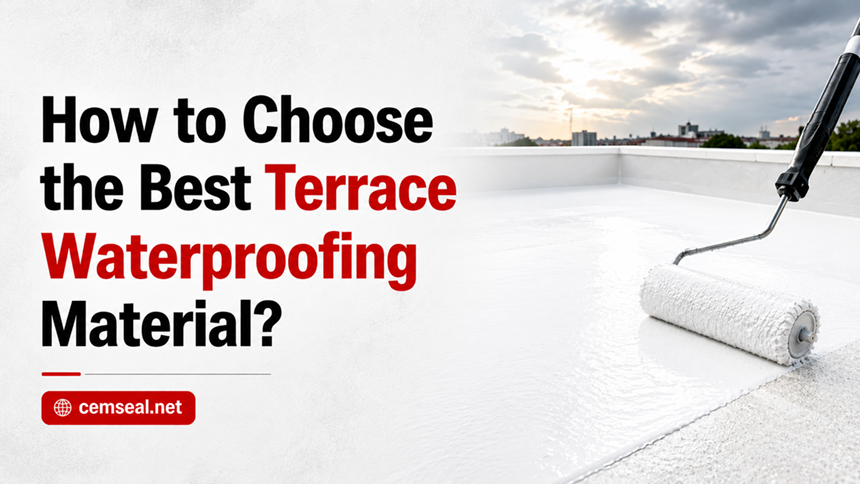
How to Choose the Best Terrace Waterproofing Material
Terrace waterproofing is one of the most crucial aspects of maintaining any building. Whether it’s a residential home, commercial property, or industrial structure, a well-protected terrace ensures durability, safety, and long-term cost savings. In a country like India—where terraces face extreme heat, heavy monsoons, and seasonal fluctuations—choosing the right waterproofing material becomes even more important.
With so many options available in the market, selecting the best material can feel overwhelming. This guide will help you make a practical and informed decision.
Why Terrace Waterproofing Is Important
Waterproofing your terrace is not just about preventing leaks—it’s about protecting the entire structure of your building. Poor or no waterproofing can lead to:
- Water seepage and leakage
- Structural damage over time
- Damp walls and ceilings
- Growth of mold and fungus
- Peeling paint and weakened plaster
Over time, these issues can significantly increase maintenance costs and reduce the lifespan of your property.
Key Factors to Consider Before Choosing Waterproofing Material
1. Type of Terrace
Different terraces require different waterproofing approaches.
- Flat terraces tend to accumulate water and need strong waterproofing systems & durable coatings
- Sloped terraces allow water runoff but require protection at joints and edges
Understanding your terrace type is the first step toward selecting the right material.
2. Climate Conditions
Weather plays a major role in waterproofing performance.
- In areas with heavy rainfall, you need materials with excellent water resistance
- In hot regions, UV-resistant coatings are essential
- In regions with temperature fluctuations, flexible materials are necessary to prevent cracking
Choosing a material that suits your local climate ensures long-lasting results.
3. Condition of the Existing Terrace
Before selecting any waterproofing solution, inspect the current condition of your terrace.
- Are there visible cracks or damage?
- Is there old waterproofing already applied?
- Is the surface even or uneven?
Some materials are better suited for new construction, while others work well for repairs and renovations.
4. Durability and Lifespan
Different waterproofing materials offer different lifespans.
- Short-term solutions: Around 3–5 years
- Medium-term solutions: 5–10 years
- Long-term systems: 10+ years
It’s important to think beyond initial cost and consider how long the solution will last.
5. Budget vs Long-Term Value
One of the most common mistakes is choosing the cheapest option available. Instead, focus on value over time.
A slightly higher upfront investment in a quality waterproofing system can save you from repeated repairs and expenses in the future.
Types of Terrace Waterproofing Materials
1. Acrylic Waterproofing Coating
Neat Acrylic coatings are among the most commonly used waterproofing solutions for residential properties.
Features:
- UV-resistant
- Reflects sunlight and reduces heat absorption
- Easy to apply
Best for: Terraces with minimal water stagnation
Limitations:
- Not ideal for areas where water collects for long durations
- Not ideal for uneven terraces
- Not ideal for sloppy surfaces.
2. Polyurethane (PU) Waterproofing
Polyurethane coatings are highly effective for terraces that experience water stagnation.
Features:
- Forms a seamless and flexible membrane
- Excellent crack-bridging ability
- Strong resistance to water
Best for: Flat roofs with leakage issues
Limitations:
- Requires skilled application and is relatively expensive
- Another layer required on top of it (for example: tiling, liquid waterproofing membrane etc…)
3. Bituminous Waterproofing
Bituminous systems are widely used in commercial and industrial projects.
Features:
- Available in sheet or liquid form
- Creates a strong water barrier
Best for: Large terraces due to economical rates
Limitations:
- Can degrade under UV exposure if not properly protected
- Less flexibility and hence cracking issues in long term
4. Cementitious Waterproofing
Most advanced cementitious waterproofing is two part cement-based acrylic coating that is easy to apply and commonly used in most of the terrace waterproofing applications due to higher mechanical strength and elasticity.
Features:
- Strong bonding with concrete surfaces
- Simple application process
- UV resistant
Best for: Bathrooms, water tanks, and terraces
Limitations: To be covered with another layer within a week’s time
5. Liquid Waterproofing Membrane
Liquid waterproofing membranes are applied as a coating that cures into a seamless layer.
Features:
- No joints or seams
- Adapts easily to complex surfaces
- UV-resistant coating helps reduce interior heat, keeping your space cooler and more comfortable.
- Its high elasticity provides superior crack-bridging capability, ensuring long-lasting protection.
Best for: terraces with multiple joints, edges, or irregular shapes
Limitations:
- Performance depends heavily on proper application
How to Choose the Right Material
Here’s a simple way to decide:
- If you want a cost-effective and heat-reflective solution, go for acrylic coating
- If your terrace has water stagnation or cracks, polyurethane is a better choice if you don’t have a budget constraint.
- For large commercial terraces, bituminous membrane is cheaper and a good option.
- For cracks & repairs, cementitious waterproofing works well within budget.
- For complex surfaces, liquid membranes offer better coverage with great amount of temperature reduction by protecting against UV rays.
There is no single “best” material—only the one that best fits your specific requirement.
Common Mistakes to Avoid
Many waterproofing failures happen not because of the material, but because of poor decisions. Avoid these common mistakes:
- Not inspecting the terrace before selecting a solution
- Ignoring surface preparation
- Hiring inexperienced applicators
- Choosing products based only on price
- Skipping regular maintenance
Proper application is just as important as choosing the right material.
Pro tip: For longevity, make sure that any sharp object doesn’t cut the film.
Final Thoughts
Choosing the best terrace waterproofing material requires a balance of technical understanding and practical thinking. You need to consider your terrace type, climate conditions, existing damage, and long-term goals.
In hot and/or humid places, where terraces face both extreme heat and heavy rainfall, selecting a material that offers both UV resistance and water protection is essential.
Ultimately, the best waterproofing solution is not just about the product—it’s about using the right system, applied correctly, for long-lasting performance.
If done right, waterproofing is not an expense—it’s an investment in your building’s future.
Disclaimer: Blogs on Cemseal website are created for education purposes only. Kindly contact your engineer /architect/ site contractor for further information.