
How to Stop Water Leakage from a Concrete Roof?
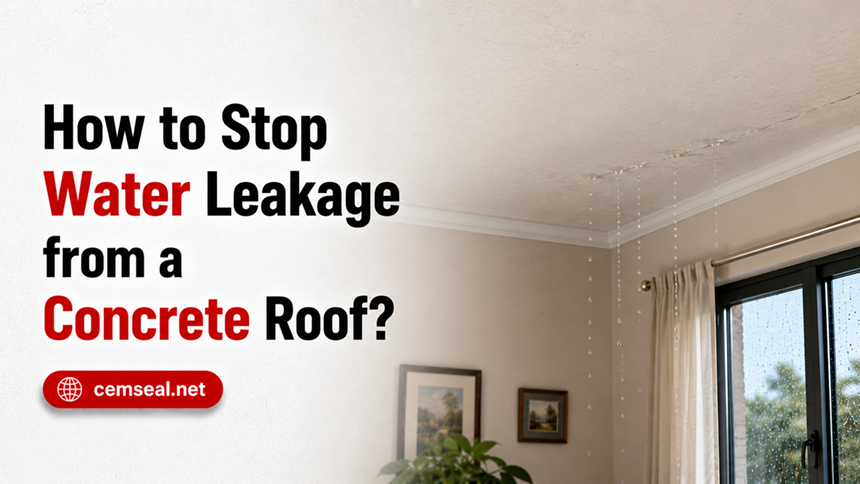
Water leakage from a concrete roof is one of the most common and frustrating problems faced by homeowners and property managers. Whether it appears as damp patches, peeling paint, or dripping water during heavy rains, roof leakage is not just a cosmetic issue—it can weaken the structure, damage interiors, and lead to long-term repair costs if ignored.
Understanding the root cause and applying the right waterproofing solution is key to solving the problem effectively. In this blog, we’ll explore why concrete roofs leak and how to fix and prevent it.
Why Do Concrete Roofs Leak?
Concrete is often perceived as a solid, impermeable material, but in reality, it is porous. Over time, it develops micro-cracks that allow water to seep through. Here are the most common causes of leakage:
- Cracks due to temperature changes (expansion and contraction)
- Poor waterproofing during construction
- Improper slope leading to water stagnation
- Aging and wear of the surface
- Damaged or clogged drainage outlets
Identifying the exact cause is the first step toward a permanent solution.
Signs of Roof Leakage
Before fixing the issue, you need to recognize it early. Common signs include:
- Damp patches on ceilings and walls
- Peeling paint or plaster
- Mold or mildew growth
- Water dripping during rains
- Musty smell indoors
Ignoring these signs can lead to structural damage and health issues.
Step-by-Step Solutions to Stop Roof Leakage
1. Inspect the Roof Thoroughly
Start with a detailed inspection of your roof. Look for:
- Visible cracks
- Water pooling areas
- Damaged joints or parapet walls
- Gaps around pipes or vents
If needed, conduct a water ponding test to identify hidden leakage points. There are advanced tests available in the market (including infrared tests) to identify the exact leakage, if needed.
2. Clean the Roof Surface
Before applying any waterproofing solution, cleaning is crucial.
- Remove dust, debris, algae, and loose particles
- Use a wire brush or pressure wash if necessary
- Ensure the surface is dry before treatment
A clean surface ensures better bonding of waterproofing materials.
3. Fill Cracks and Joints
Cracks are the primary entry points for water.
- Use polymer-modified crack fillers or sealants
- For larger cracks, apply cement-based repair mortar
- Ensure all joints and corners are properly sealed
This step creates a strong base for waterproofing.
4. Apply Waterproofing Coating
This is the most important step in stopping leakage.
There are several types of waterproofing solutions available:
- a) Liquid Waterproofing Membrane
- Easy to apply with brush or roller
- Forms a seamless protective layer
- Ideal for small to medium roofs
- Long lasting solution for waterproofing & heat (UV) resistance
- b) Cementitious Waterproofing
- Suitable for internal and external surfaces
- Cost-effective and durable
- Can be used on Multiple surfaces
- c) Acrylic Waterproof Coating
- UV-resistant and flexible
- Best for terraces exposed to sunlight
- Economic
Apply at least 2–3 coats for effective protection.
5. Ensure Proper Drainage
Water stagnation is a major cause of leakage.
- Check and clean all drainage outlets
- Ensure proper slope
- Avoid water pooling by leveling uneven areas
Good drainage significantly increases roof life.
6. Protective Screed or Tile Layer
To enhance waterproofing and save layer of waterproof coat from cuts:
- Add a protective cement screed layer
- Install reflective tiles (china mosaic or cool roof tiles)
- This reduces heat absorption and prevents cracks
This step improves both waterproofing and energy efficiency.
Preventive Maintenance Tips
Stopping leakage is not a one-time task. Regular maintenance ensures long-term protection.
- Inspect your roof before and after monsoon
- Clean drainage outlets periodically
- Reapply waterproof coating every 4–5 years if not protected with tiling
- Fix minor cracks immediately before they worsen
- Avoid heavy loads or drilling on the roof surface
Choosing the Right Waterproofing Product
Selecting the right material is crucial for long-term results. Consider:
- Climate conditions (heavy rainfall, heat exposure)
- Roof size and usage
- Budget and durability expectations
- Brand reliability and warranty
Using high-quality construction chemicals can make a significant difference in performance and lifespan.
When to Call for help from a waterproofing company on 9099266166?
While minor cracks and coatings can be handled yourself with little ‘Do It Yourself’ approach, professional help is recommended when:
- Leakage is severe or widespread
- Structural cracks are visible
- Previous waterproofing has failed repeatedly
- You need advanced systems like membrane waterproofing
- Dampness is clearly visible with patches all around
Experts can provide a long-term solution rather than a temporary fix.
Conclusion
Water leakage from a concrete roof can be effectively stopped with the right approach—starting from identifying the root cause to applying a suitable waterproofing solution. Regular maintenance and timely repairs play a crucial role in preventing future problems.
Investing in proper waterproofing not only protects your home from damage but also enhances its durability and value. Whether you choose a DIY solution or hire professionals, the key is to act early and use the right materials for lasting results.
Disclaimer: Blogs on Cemseal website are created for education purposes only. Kindly contact your engineer /architect/ site contractor for further information.